
ould your passport stop you boarding your next flight? It sounds unlikely, but misunderstanding the UK passport rules for Europe could leave you unable to board your flight. Your passport may still appear valid, but that does not always mean it meets the entry requirements.
What are the UK passport rules for travelling to Europe in 2026?
If you are travelling to most EU and Schengen Area countries, your passport must meet two requirements.
First, your passport must have been issued less than 10 years before the date you enter the country.
Second, your passport must have at least three months remaining before it expires on the date you leave the country you are visiting.
You might assume the expiry date is the only thing that matters. Unfortunately, that is not always the case.
This is why you could arrive at the airport with a passport that appears valid but does not meet the entry requirements.
What is the 10 year passport rule?
The 10 year passport rule catches many UK travellers out because the expiry date is not the only date that matters.
Before September 2018, when you renewed a passport early, the Passport Office could add up to nine months of unused validity from your old passport to your new one.
As a result, some passports were issued with expiry dates that appear to give more than ten years of validity.
However, European border authorities look at the passport issue date rather than the expiry date.
This means your passport could still be in date but fail the entry requirements because it was issued more than ten years ago.
How do I check if my passport is valid under the UK passport rules for Europe?
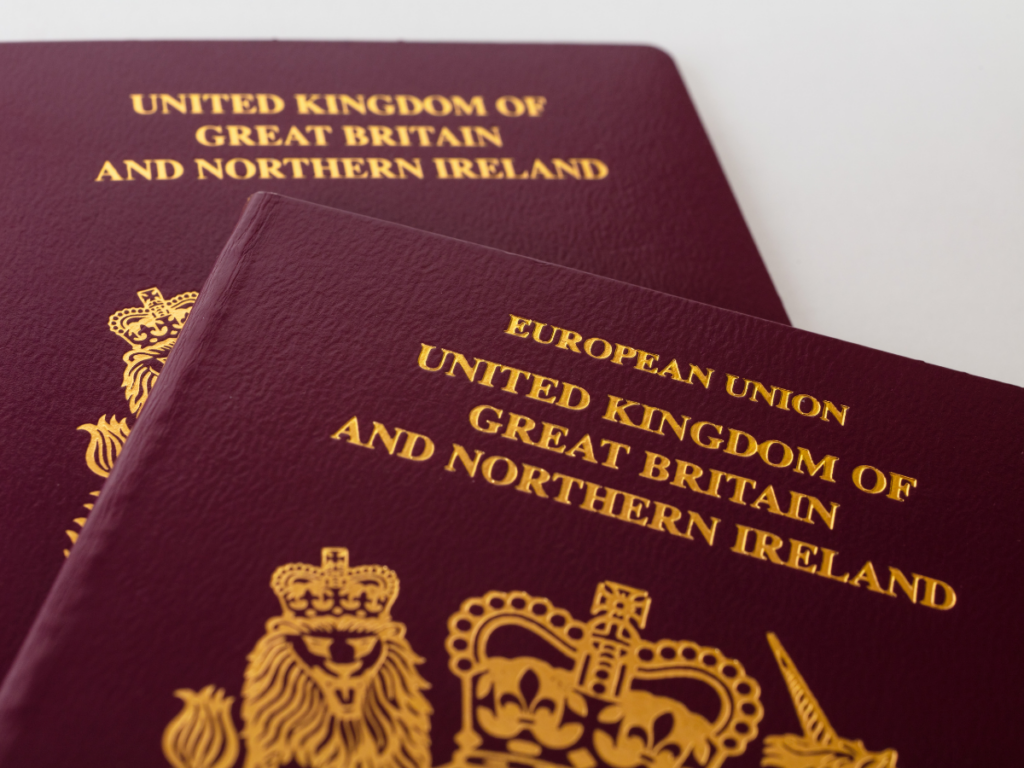
Checking your passport only takes a few moments.
Start by looking at the issue date shown on your passport.
Count forward ten years from that date. If you plan to enter Europe after that point, your passport may not meet the entry requirements.
Next, check the expiry date.
Make sure your passport will still have at least three months of validity remaining on the date you plan to leave the country you are visiting.
If you are unsure, it is always worth checking the latest guidance before you travel. Travel organisations such as ABTA also recommend checking passport validity requirements before booking or travelling, as entry rules can vary depending on your destination.
Why could you be denied boarding a flight to Europe?
You may only check the expiry date on your passport and assume everything is in order.
Unfortunately, airlines must ensure you meet the entry requirements before allowing you to travel.
If your passport does not meet the rules, the airline may refuse boarding.
This is not just a theoretical issue. News reports continue to highlight cases where people have missed flights, holidays and accommodation bookings because they misunderstood the passport requirements.
The financial impact can quickly add up, especially when you have already paid for flights, accommodation and activities.
What other European travel changes should UK travellers know about?
Passport validity is not the only travel rule changing.
The European Union is introducing a new Entry/Exit System, often referred to as EES. This system will collect biometric information when non-EU travellers enter participating countries.
The EU also plans to introduce ETIAS, a new travel authorisation system for visitors from countries that currently do not require a visa for short stays.
These changes are not yet fully operational, but they are worth keeping an eye on if you regularly travel to Europe.
Do I need travel insurance if I have a valid passport?
Having a valid passport is only one part of preparing for your holiday.
Travel insurance helps protect you against a range of unexpected situations that could affect your trip.
For example, travel insurance can provide support if you need emergency medical treatment abroad, experience travel disruption or lose your luggage.
Before travelling, it is always worth checking both your passport and your travel insurance policy to make sure everything is up to date.

What do the UK passport rules for Europe mean for your holiday?
The UK passport rules for Europe are not particularly complicated, but they could still catch you out if you rely on the expiry date alone.
The good news is that a few simple checks now could help you avoid unnecessary stress later.
Before travelling, take a few minutes to:
• Check your passport issue date
• Check your passport expiry date
• Review any upcoming European travel changes
• Check your travel insurance arrangements
• Check country specific health advice before you travel
• Review any entry requirements for your destination
• Check whether you need any vaccinations or travel health precautions
These simple steps can help you focus on enjoying your holiday rather than dealing with unexpected problems at the airport.
Speak to us about your travel insurance
Planning a holiday should be exciting, not stressful.
If you would like to review your travel insurance before your next trip, our team is always happy to help.
You can contact us by leaving your details on our contact form, calling 01730 265500 or email hello@robison.co.uk.